

The Emotional Operating System
2026-09-14
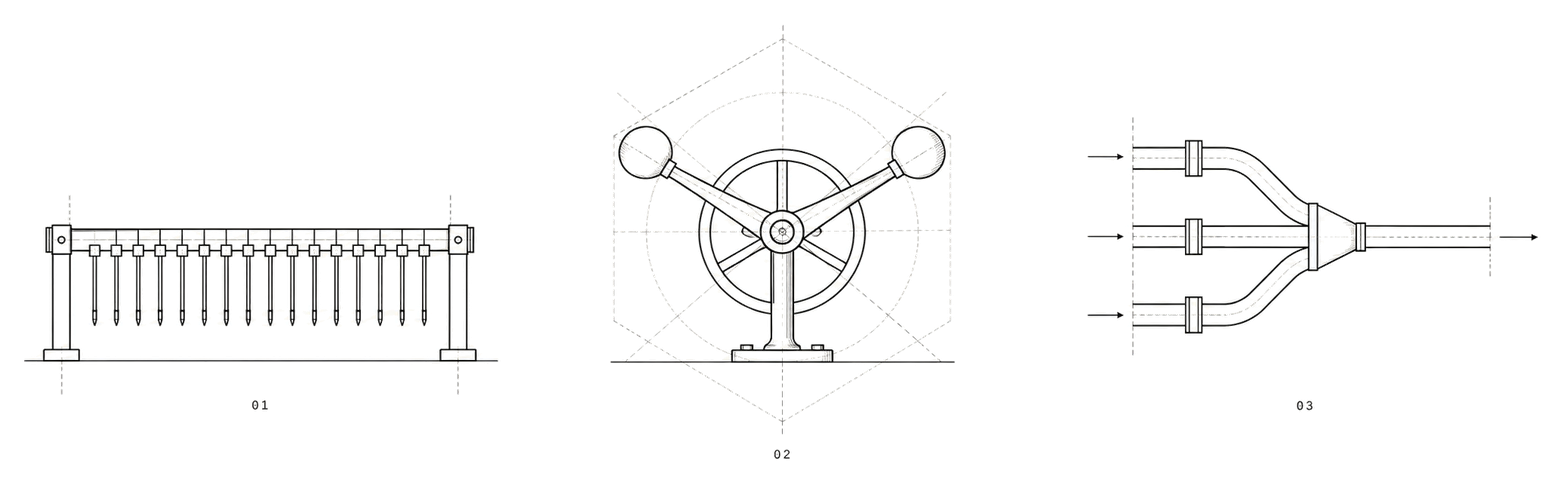
Appraisal probes
Seventeen dimensions, read and steered in the residual stream.
Affect state filter
A small state-space model that carries how a conversation felt, not only what was said.
Multimodal fusion
Text, audio, and vision appraised as one signal.
A structural layer, not a wrapper
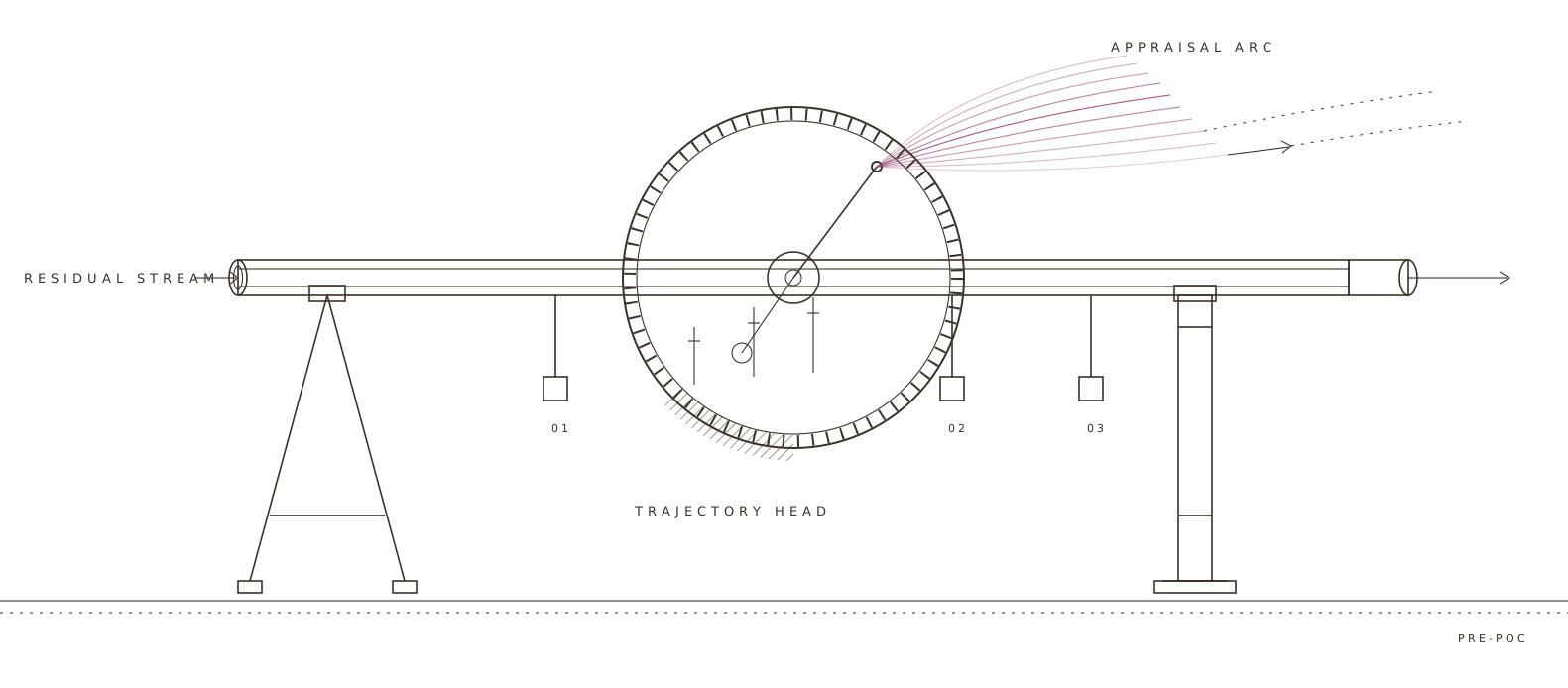
The Emotional Operating System (EOS) is injected into the residual stream of a language model. It does not read the model's output and guess; it reads and steers the model's internal state directly.
Four components
17-dimension appraisal probes read and steer emotional state in real time, grounded in cognitive appraisal theory: the model represents the appraisal structure that produces an emotion, not a label.
An affect state filter, a small state-space model with roughly 20ms updates, maintains continuous emotional state across turns and sessions.
Multimodal fusion appraises text, audio, and vision as one signal, the way humans perceive emotion.
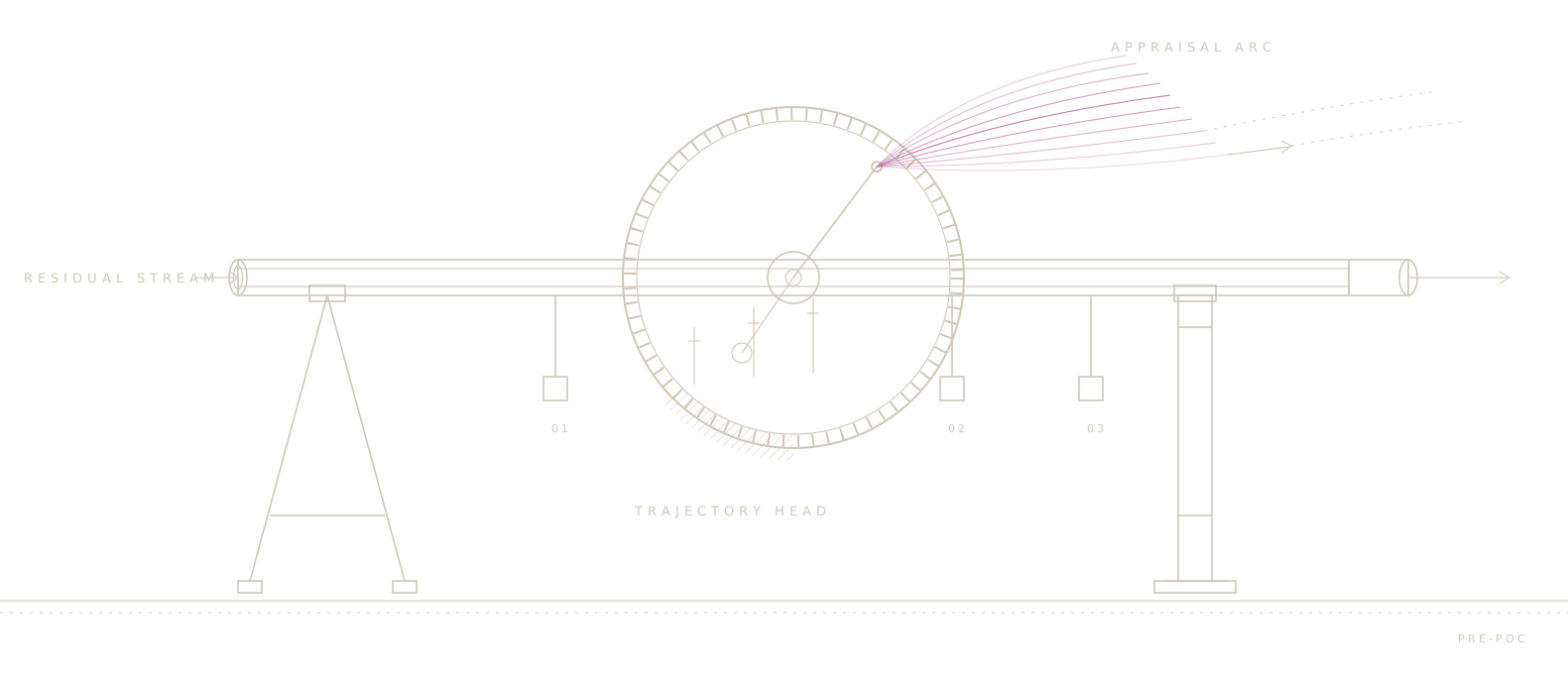
A trajectory prediction head forecasts where a conversation is heading emotionally, not just where it is.
Training: AGP
Appraisal-Grounded Pretraining teaches the appraisal structure behind emotion at pretraining time, not as a fine-tune afterthought. AGP is a proposed algorithm: pre-registered, not yet validated. We say that everywhere it appears.